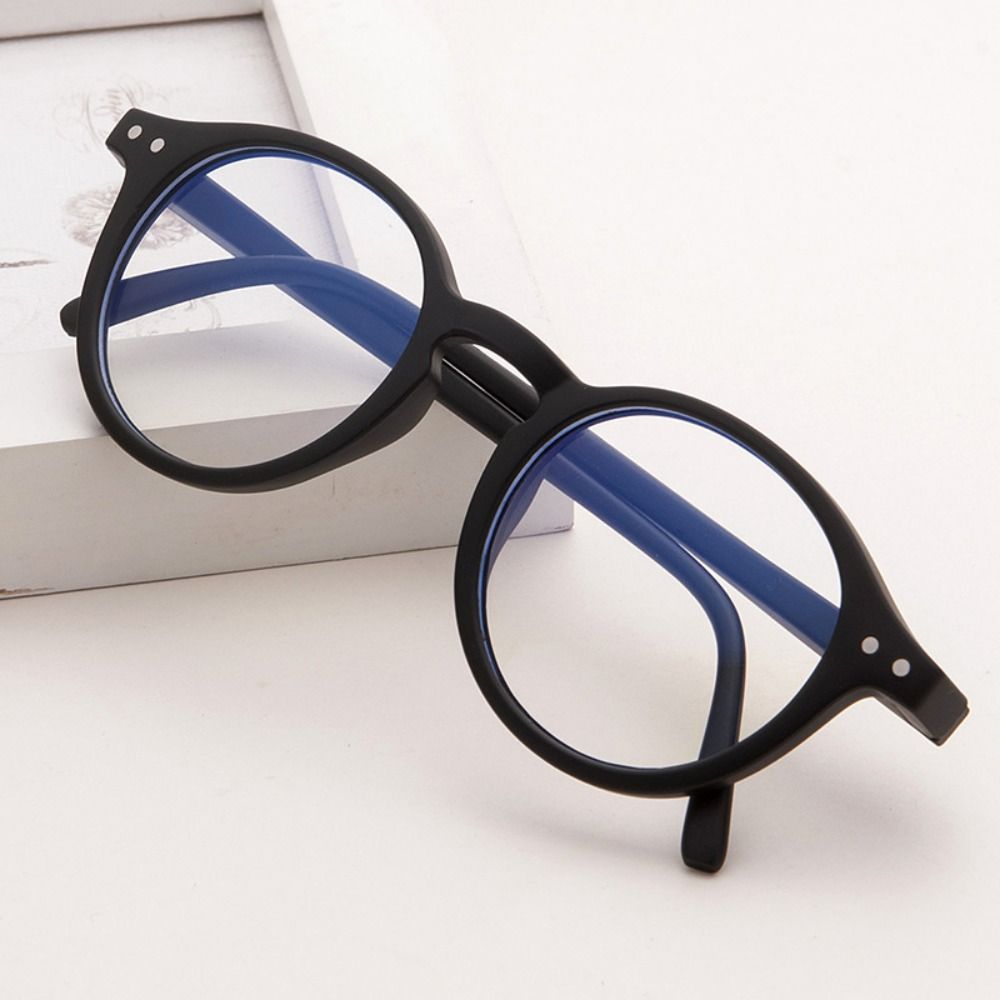
I understand completely. When your child needs glasses, you want the best for their vision, but you also want a good value. I've been in that exact position. I made some significant errors while trying to find the right progressive readers for my child. Through a frustrating experience, I learned that saving a few dollars upfront can end up costing you much more down the line. Learn from my missteps so you can make a smart, informed choice from the start.
Finding the right progressive readers for kids, especially those with features like blue light filtering, can be surprisingly complex. Here’s what I wish I had known from the beginning:
This was my first major error. I thought, "They're just kids' glasses; they'll probably get lost or broken anyway. Let's just get the cheapest progressive readers available." I found a pair online at a rock-bottom price and convinced myself I'd found a steal.
My Experience (a common low-rating problem):"I bought the cheapest pair I could find to save a few dollars. It was a huge mistake. The frame felt flimsy from the moment we opened the box, and it snapped within a month. The lenses scratched almost immediately, which made it difficult for my child to see clearly. He even started complaining about headaches. It was a total waste of money."
I learned the hard way that "cheap" often translates to low-quality materials. Kids are active. Their glasses need to withstand daily life, not fall apart after a few uses. The lenses weren't clear, and any "blue light protection" they advertised felt completely ineffective. My child's eyes weren't getting the proper support they needed, forcing me to buy another pair just weeks later.
Verdict: Don't repeat my mistake. Extremely low prices frequently signal poor durability and ineffective features. You need glasses that are built to last and that genuinely protect your child's vision.
After the first cheap pair broke, I was still unsure what to look for. I focused too much on how the glasses looked and not enough on how they were constructed. I overlooked the small details that are clear indicators of good quality.
My Experience (a common low-rating problem):"These glasses looked adorable in the product photos, but when they arrived, they felt like plastic toys. The included blue light test card showed almost no protective filtering. The frames were stiff and uncomfortable, leaving red marks on my child's nose. I had ignored the mention of 'basic plastic' in the description, assuming it wouldn't make a difference. It made a huge difference."
It's easy to get distracted by style. But for children's progressive readers, genuine quality is paramount. Features like flexible frames (such as those made from TR90 material), sturdy hinges, and clear, effective anti-blue light lenses are absolutely critical. These are the elements that ensure glasses are comfortable, durable, and truly beneficial for vision and eye protection.
Action Step: Look for these specific signs of quality: