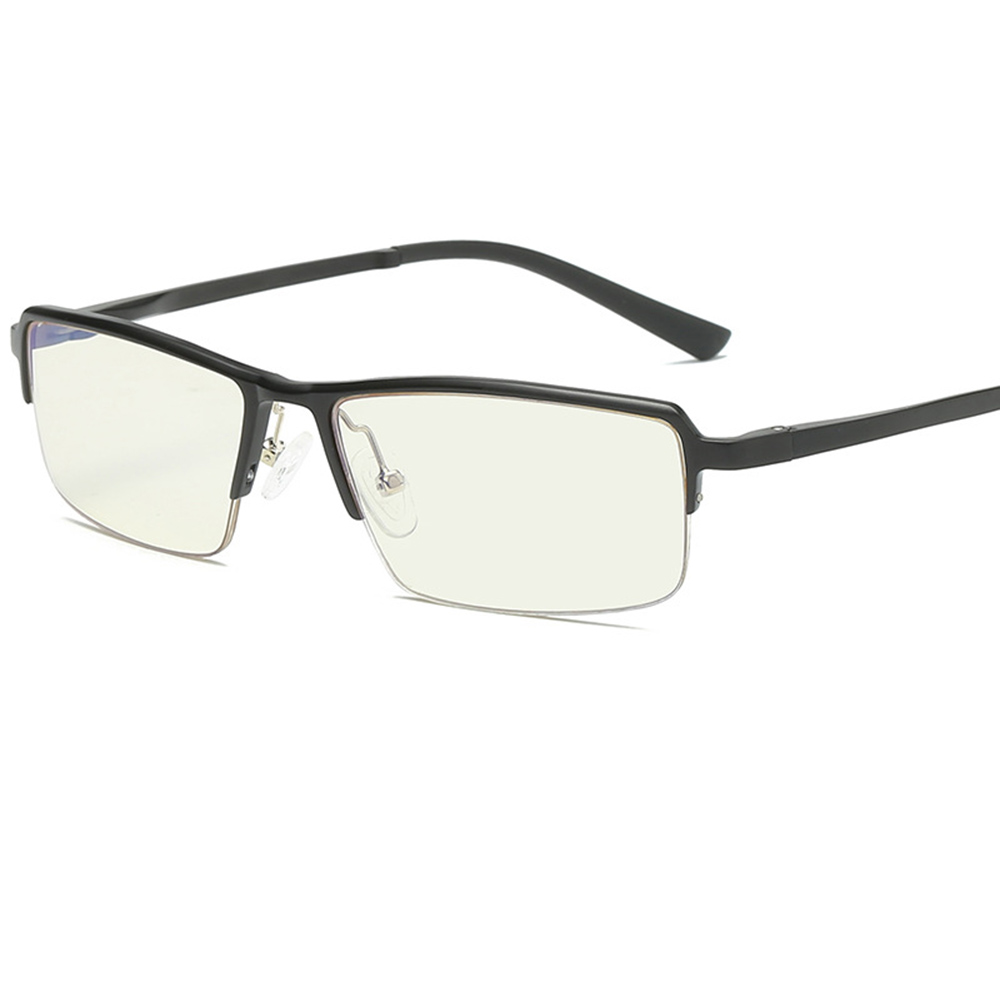
Have you ever purchased something marketed as "luxury," only to feel completely shortchanged? I know I have, particularly in my search for a good pair of reading glasses. For years, I navigated a confusing world of expensive yet subpar spectacles. I wasted hundreds of dollars and countless hours on pairs that broke, scratched easily, or simply didn't perform. The frustration was real: endless online browsing and trying on glasses, only to face disappointment time and again.
It wasn't just about the financial loss. It was the headaches from blurry vision, the eye strain from inferior lenses, and the constant annoyance of having to replace so-called "premium" products. My experience was a cycle of buyer's remorse, until I finally discovered a pair that lived up to its promises. Before finding Mozaer, my quest for comfortable, effective, and stylish luxury reading glasses felt utterly hopeless.
My greatest regret was continually spending money on disappointing products. So many brands make grand promises but deliver very little. I repeatedly fell into the trap of equating a high price with high quality. I assumed that paying more guaranteed something special. Instead, I ended up with fragile frames that snapped unexpectedly and lenses that seemed to attract scratches. These weren't bargain-bin glasses; they were advertised as "luxury" items.
It's a common tactic. Some companies charge premium prices but use cheap materials, cutting corners in places you can't easily see. My expensive "designer" glasses often felt lighter and more delicate than far less expensive pairs. They'd warp quickly or develop loose hinges, forcing me to constantly buy replacements. It was incredibly frustrating to feel like I was just throwing money away on products that barely lasted a few months.
Verdict: Don't let a steep price tag trick you into assuming a product is high-quality. Always check the specifics about the materials used. Cheap materials, regardless of the price, will always lead to letdown.
Another major mistake was trusting every glossy advertisement and flowery product description. Websites displayed perfect models wearing stunning glasses, with descriptions full of lofty claims: "revolutionary clarity," "unmatched durability," "feather-light comfort." I wanted to believe them. My eyes needed help, and these promises sounded like the perfect solution.
Yet when the glasses arrived, they never matched the pictures. The colors were different, the frames felt bulky rather than sleek, and the "crystal clear vision" often meant lenses with distortions or glare. Some even arrived looking slightly crooked. It felt like a classic bait-and-switch. The product I received was a poor imitation of what was advertised, wasting not only my money but also my optimism.
I'd look at the glasses in my hand and then back at the flawless images online. It was obvious the ads weren't showing the real product. They were selling an ideal, not a reliable pair of glasses. This dishonesty left me feeling cheated every single time.
Verdict: Always be skeptical of overly perfect product photos and extravagant claims. Look for genuine customer photos in reviews to see the product's true appearance. Check if reviewers confirm the product matches its description.
To be honest, many of my past regrets stemmed from my own impatience. I needed new reading glasses quickly, so I'd skim a few reviews, spot some positive comments, and click "buy." I didn't dig deeper. I failed to compare brands side-by-side or look for the specific quality indicators experts recommend for luxury reading glasses. I was just looking for a quick fix.
This lack of research cost me. I overlooked red flags in reviews and didn't consider the importance of specific lens coatings or frame materials. I simply trusted the marketing. Had I spent a little more time upfront—reading more reviews, comparing features, and seeking honest feedback—I could have avoided so many poor purchases. It's like grocery shopping without a list: you often end up with items you don't need and forget the essentials.
Here’s what I learned I should have done: